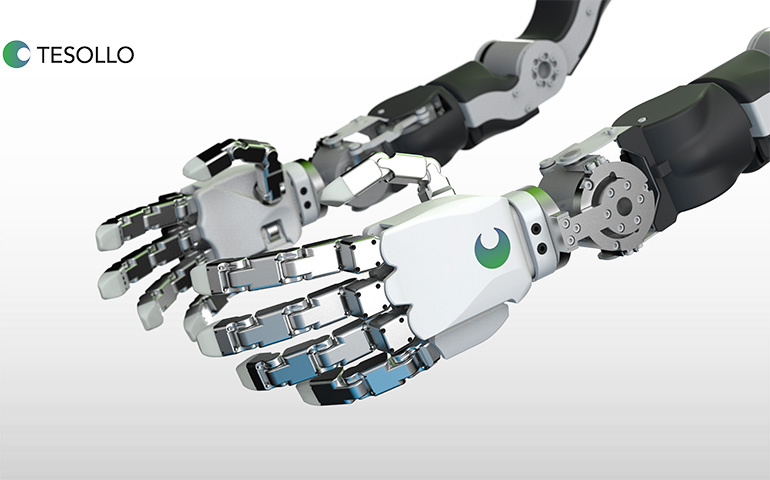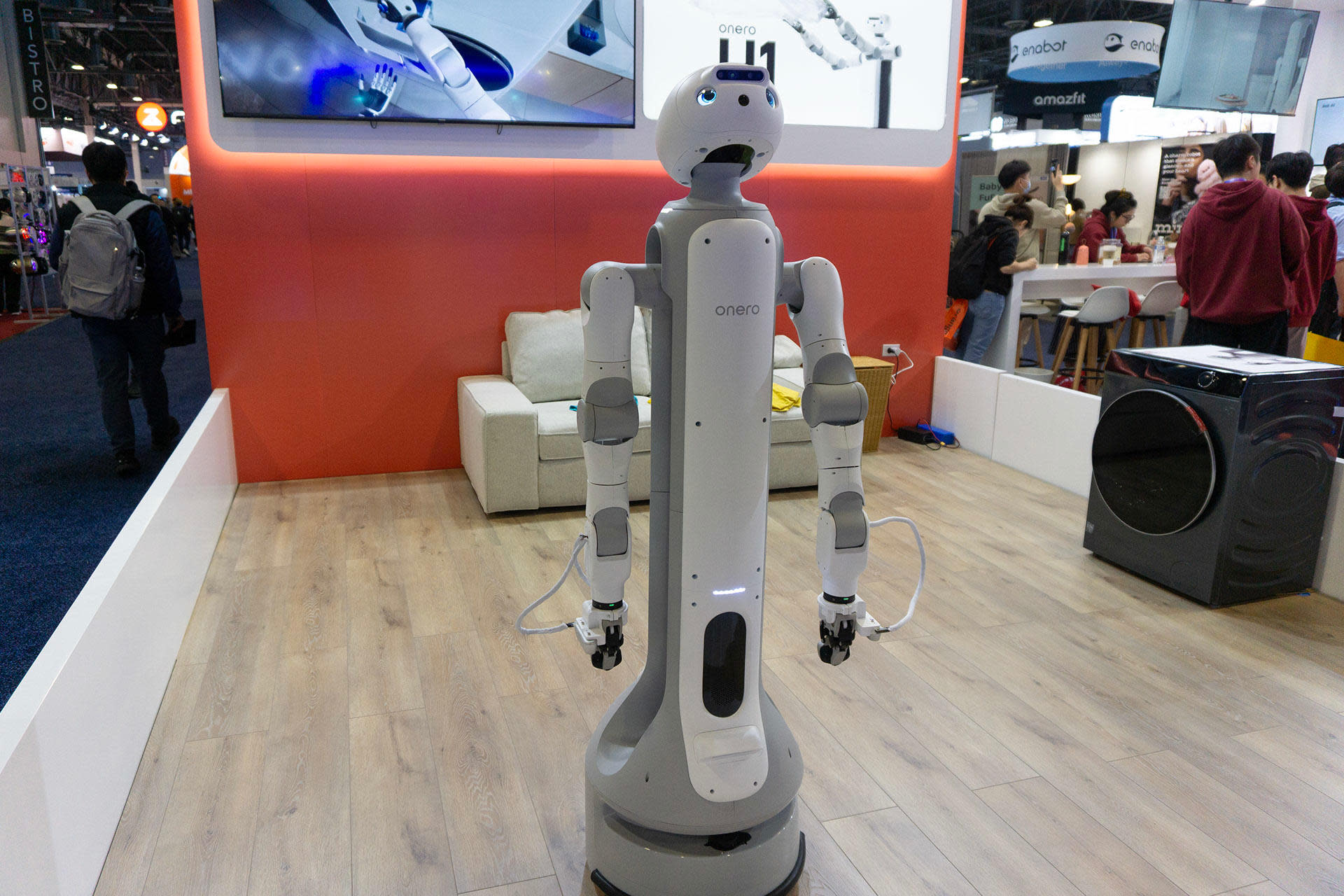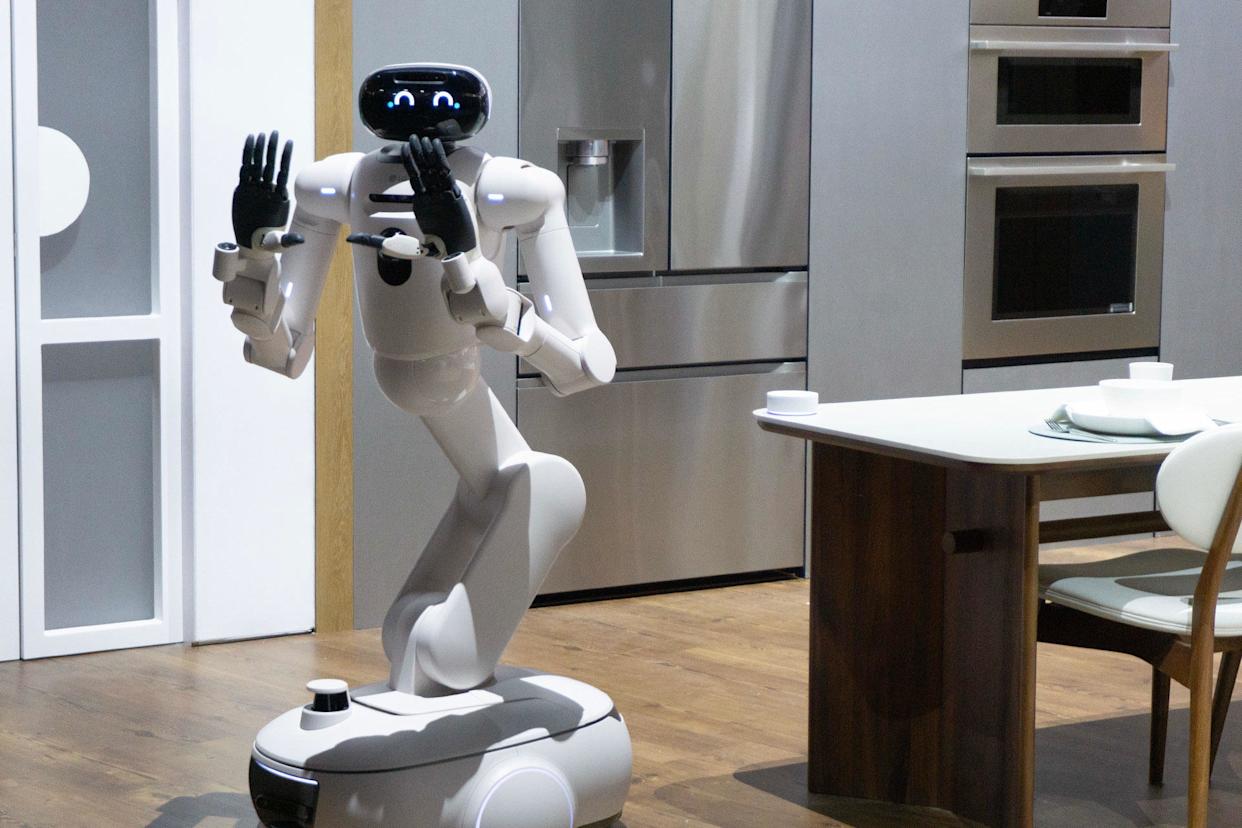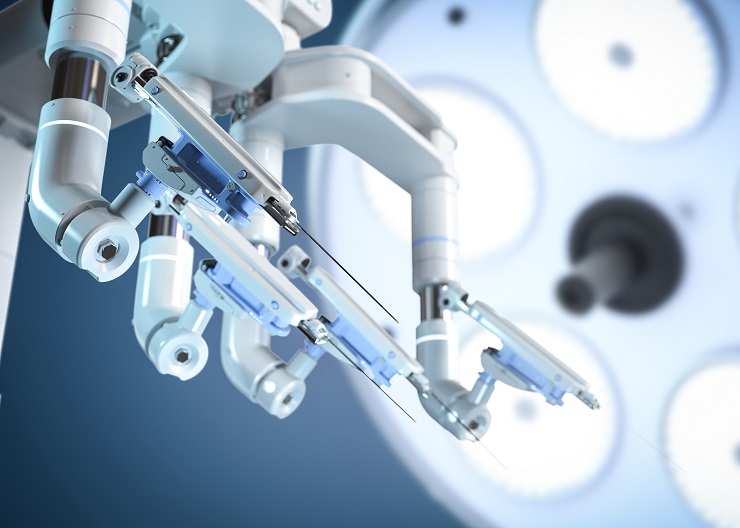
It’s no exaggeration to say that advances in robotics are reshaping modern medicine. From high-precision surgical platforms to automated drug delivery systems, robotic technologies are driving new standards in patient care, surgical performance, and procedural efficiency. As designs become more compact, mobile, and capable, they also place new demands on the components that drive them, particularly the motion systems at their core.
In this setting, motion precision is vital. Whether a robot is navigating the fine structure of the inner ear or threading a catheter through an artery, even the smallest deviation in motor behavior can alter outcomes. That’s why OEMs building the next generation of medical devices are increasingly turning to motion specialists who understand the real-world conditions of surgical theaters and treatment environments.
Portescap, a global leader in precision motor solutions, has long focused on this intersection of advanced motion and medical need. With decades of experience in motors, gearheads, encoders, and assemblies, the company develops systems that are purpose-built for healthcare applications.
Motion precision enables better surgical outcomes
In robotic-assisted surgery, control precision is directly tied to patient outcomes. Reducing invasiveness, improving accuracy, and shortening recovery time all depend on how reliably a motion system can translate surgical input into mechanical action. The smoother and more responsive the motor, the better the control over the end effector, and therefore the better the result for the patient.
One of the main technical barriers is cogging torque, which causes uneven or jerky motor rotation. Portescap addresses this with brushless DC (BLDC) motors featuring a slotless design, which helps eliminate cogging while maintaining high torque density.
These motors support the kind of sub-millimeter precision needed in microsurgery and advanced endoscopy, combining smooth motion with high speed and torque performance. Paired with high-resolution magnetic encoders, they deliver the real-time feedback required for advanced robotic control.
Designed for sterility and built to last
In many medical applications, device components must withstand repeated sterilization. Surgical power tools and robotic systems that come into direct contact with patients must be cleaned in ways that are both thorough and unforgiving, with steam sterilization as one of the most common methods.
For this reason, Portescap has developed a range of autoclavable motors, encoders, and gearheads that are designed to survive these conditions. Their slotted BLDC motors are designed to withstand more than 1,000 autoclave cycles, though can be customized to exceed 3,000 cycles. Encoders and gearheads are also validated for thousands of sterilization cycles. These capabilities not only ensure safety but also help hospitals manage costs and reduce waste by enabling reuse rather than relying on disposables.