It’s the week Sin City turned sci-fi.
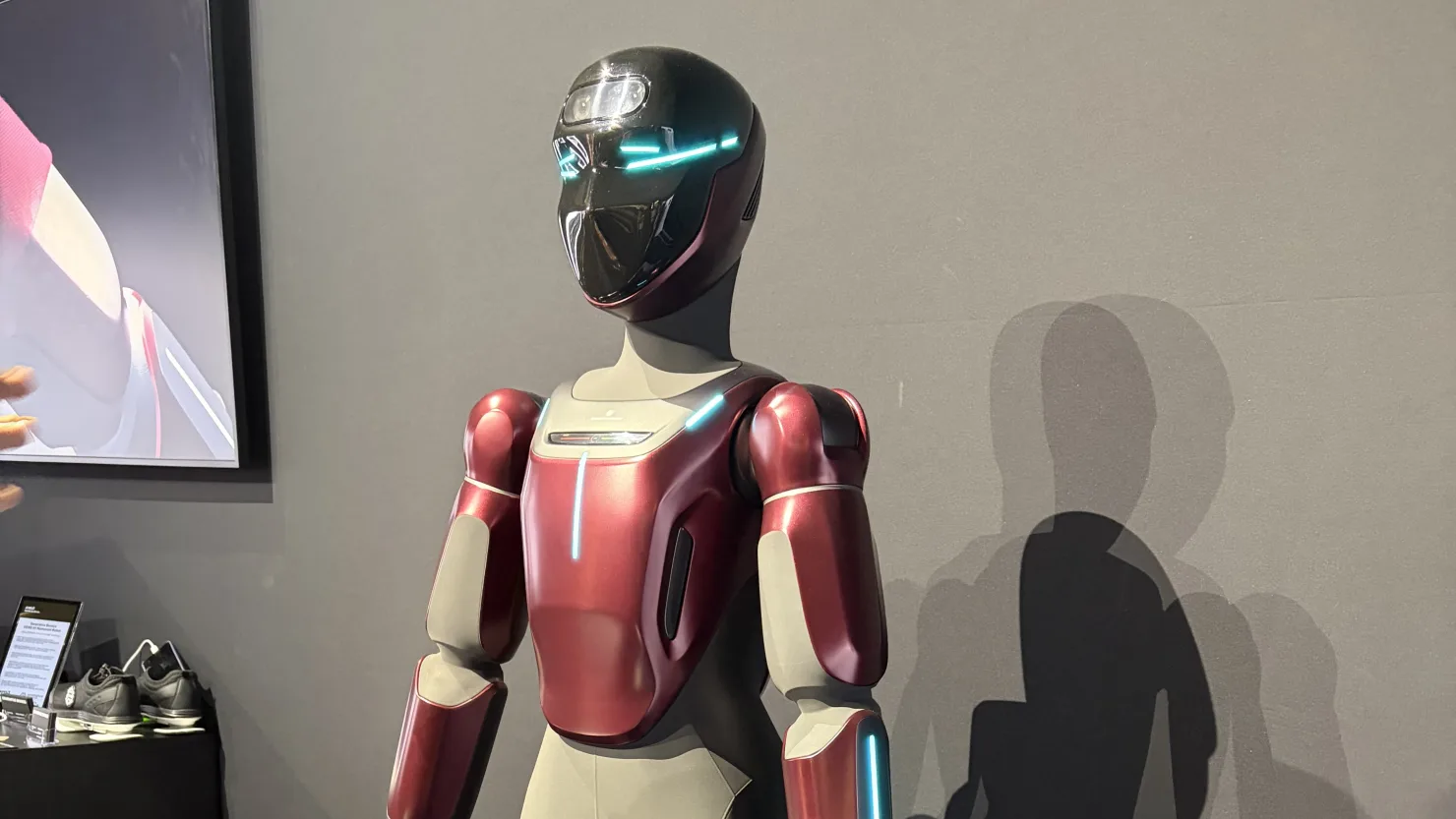
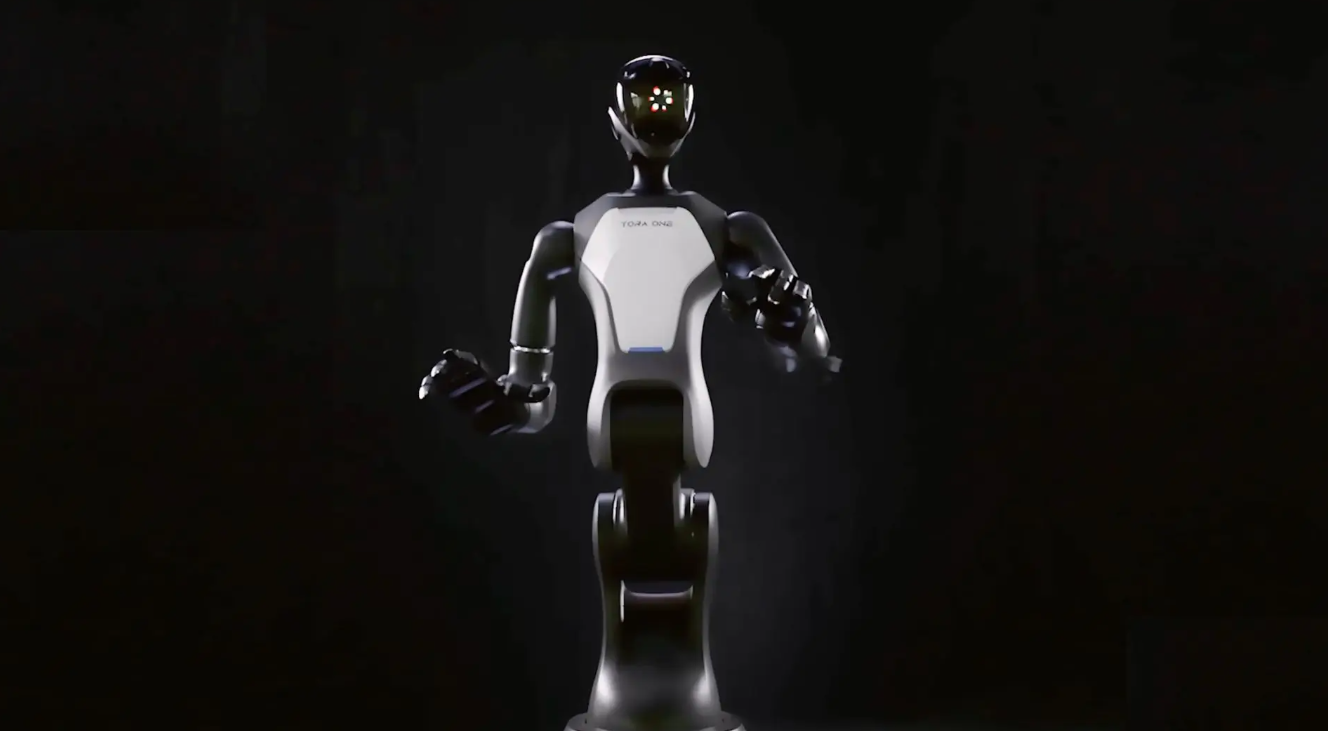
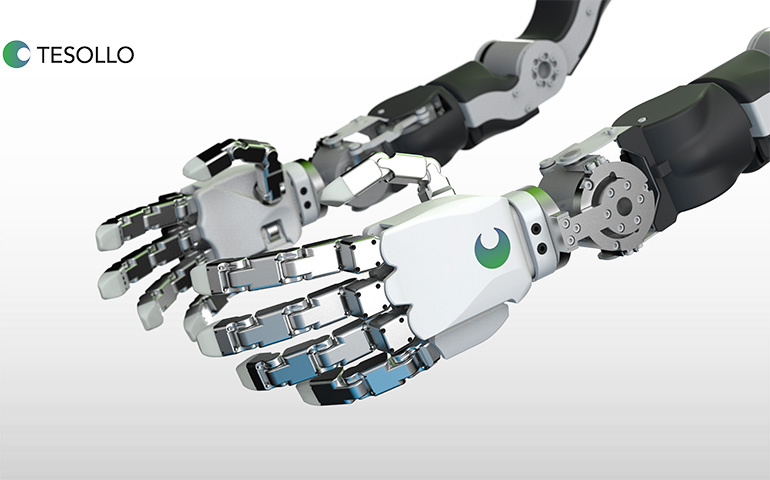
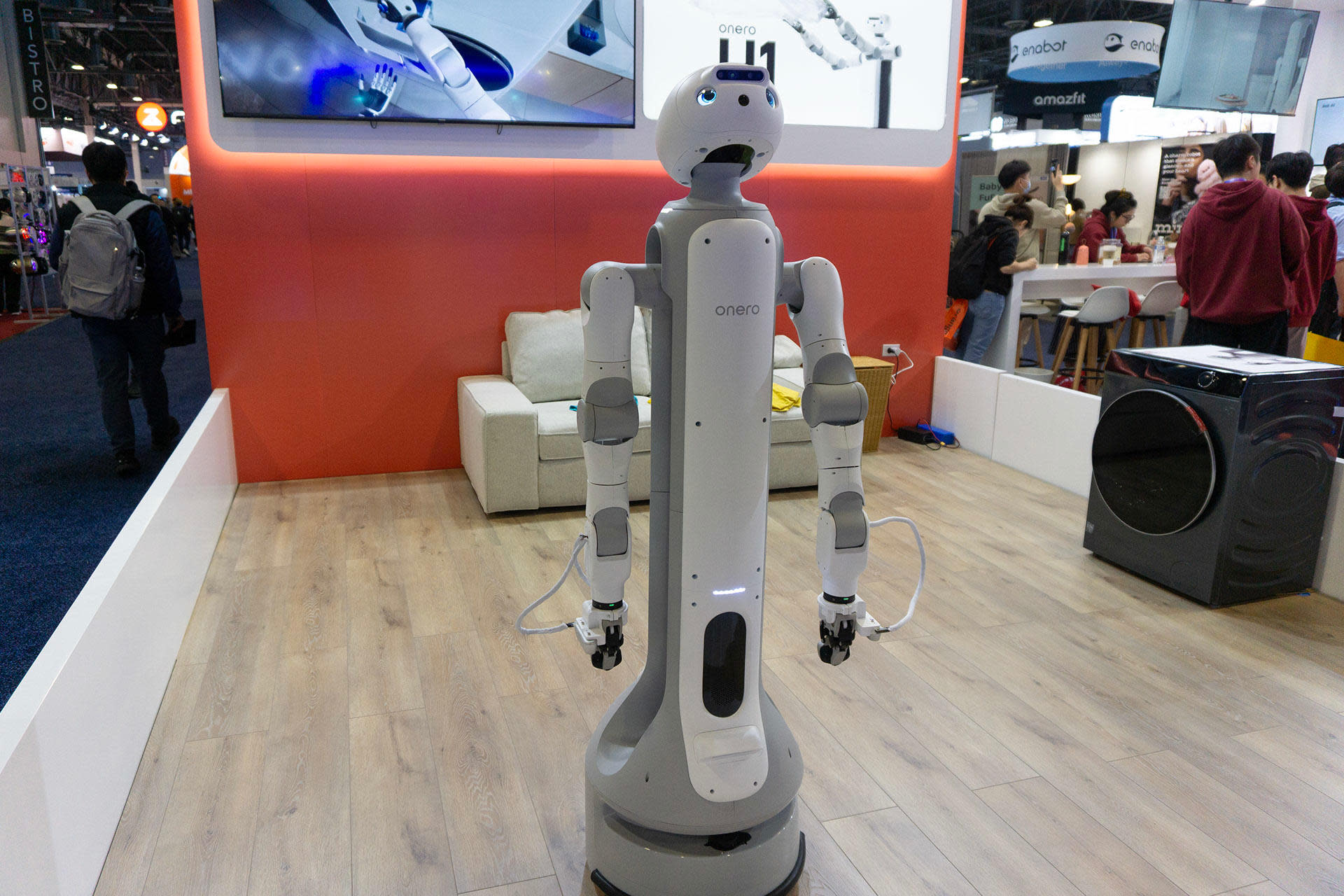
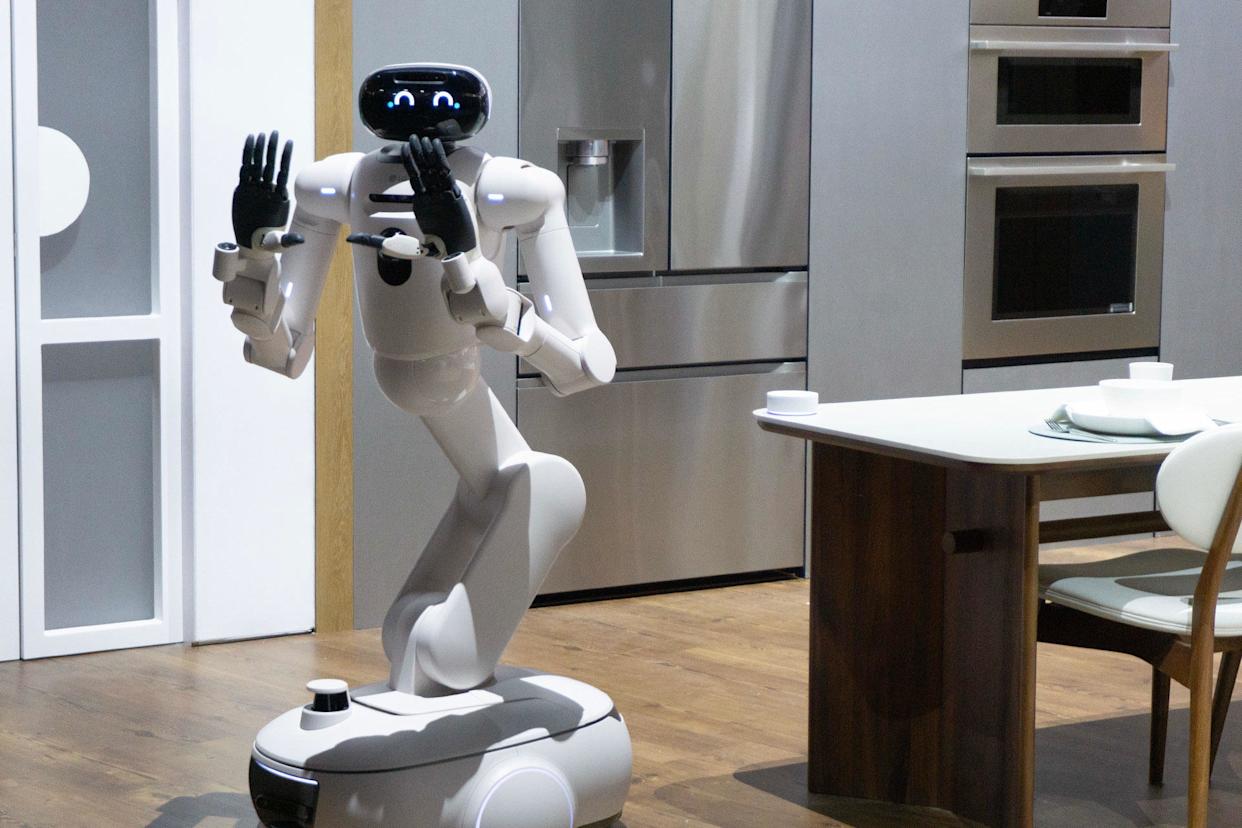
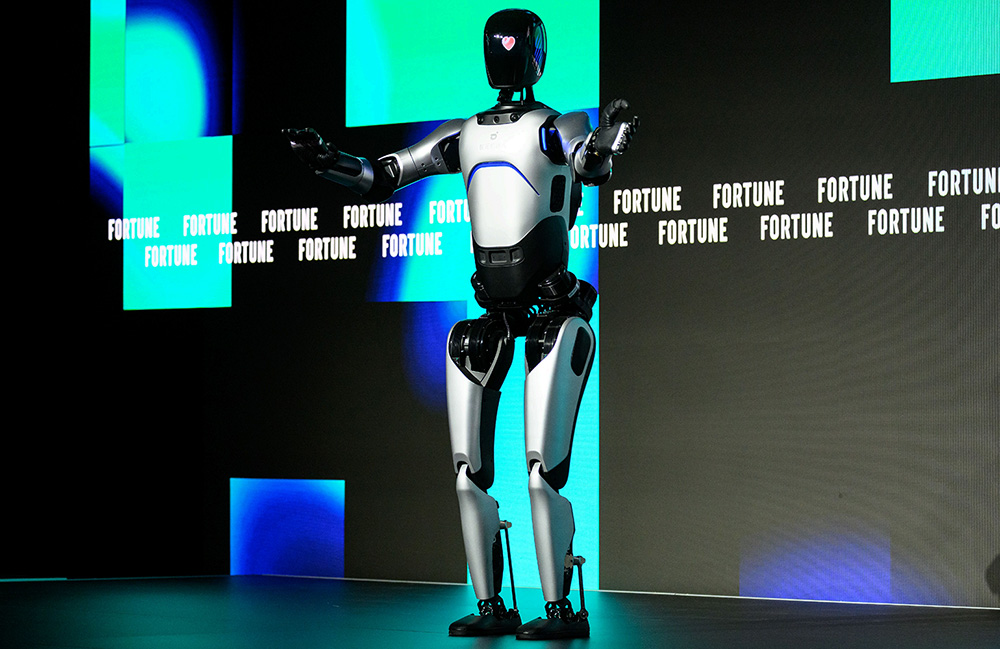
Humanoid robots shadowboxed, danced and pretended to run small shops. Singapore-based Sharpa displayed a robotic hand playing table tennis and dealing blackjack hands.
Across Las Vegas, technology companies used the annual CES trade show to reveal their visions of the future and to loudly proclaim that physical artificial intelligence is poised for a breakout year.
“The humanoid industry is riding on the work of the AI factories we’re building for other AI stuff,” Nvidia
CEO Jensen Huang said at a news conference on Tuesday.
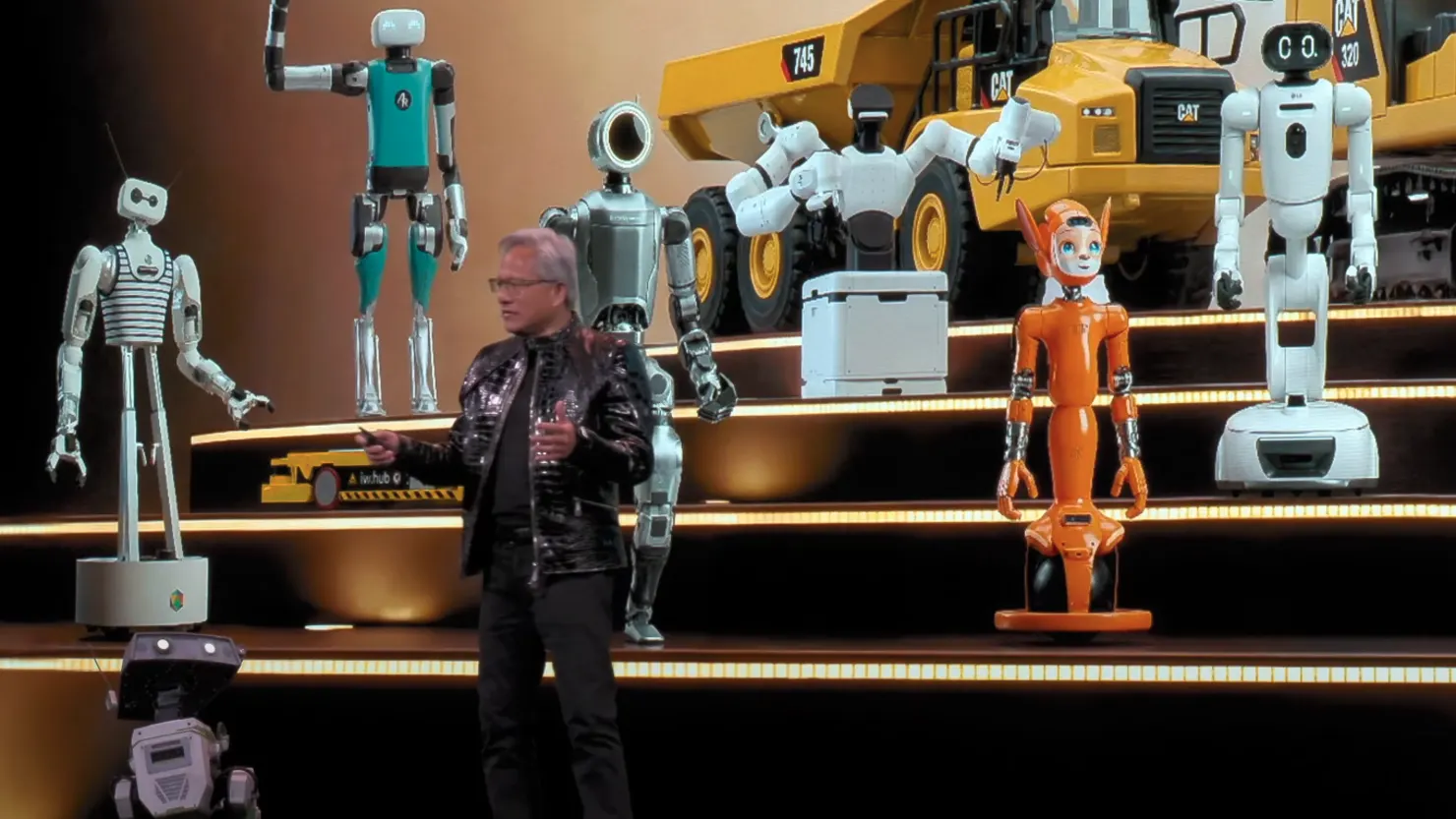
Nvidia, which last year became the world’s most valuable company, announced a new version of its vision language models called Gr00t for humanoid robots that can turn sensor inputs into robot body control, as well as a version of its Cosmos model for robot reasoning and planning.
Huang said he expects to see robots with some human-level capabilities this year.
“I know how fast the technology is moving,” he said. His company highlighted partnerships with the likes of Boston Dynamics, Caterpillar
and LG.
Science fiction writers have dreamed of this moment for decades. “The Jetsons” had Rosey, a robot maid. In “Star Wars,” C-3PO helped Luke Skywalker save the galaxy. However, in real life, humanoids have so far been unable to demonstrate the intelligence or flexibility that would make them truly useful, a problem that’s long eluded engineers.
Then came generative AI with the launch of OpenAI’s ChatGPT in late 2022. The same deep learning technology that underpins ChatGPT can be used to teach the robots how to walk, use a hand or fold laundry. Many in the industry see self-driving cars as the first major commercial manifestation of physical AI.
Industry heavyweights are going big.
In addition to Nvidia, fellow chipmakers Advanced Micro Devices
and Qualcomm
made splashy robot-related announcements at CES. On Monday, Google’s
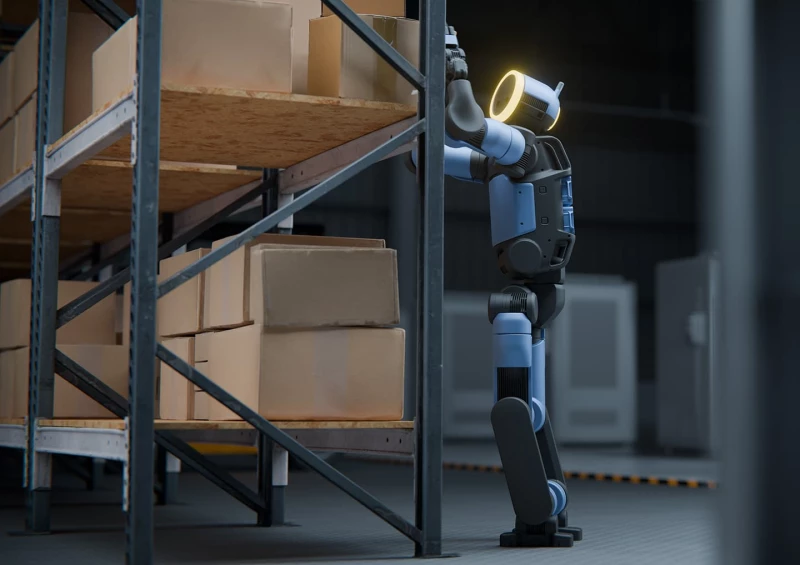
DeepMind said it would work with Hyundai’s Boston Dynamics, formerly a division of Google, to develop new AI models for its Atlas robot.